

There’s a certain magic that happens when simple ingredients come together to create a dish that transcends time and trends. Spaghetti Carbonara,with its creamy texture,smoky undertones,and comforting embrace,is one such culinary treasure. But beyond its enticing flavors lies a story rich in tradition, technique, and a few well-kept secrets that elevate this Roman classic from mere pasta to pure delight.
In this article, we embark on a flavorful journey to unlock the secrets of classic Spaghetti Carbonara-delving into its origins, authentic ingredients, and the artful methods that have made it a beloved favourite across generations. Prepare to rediscover the joy of this iconic dish, one perfect forkful at a time.
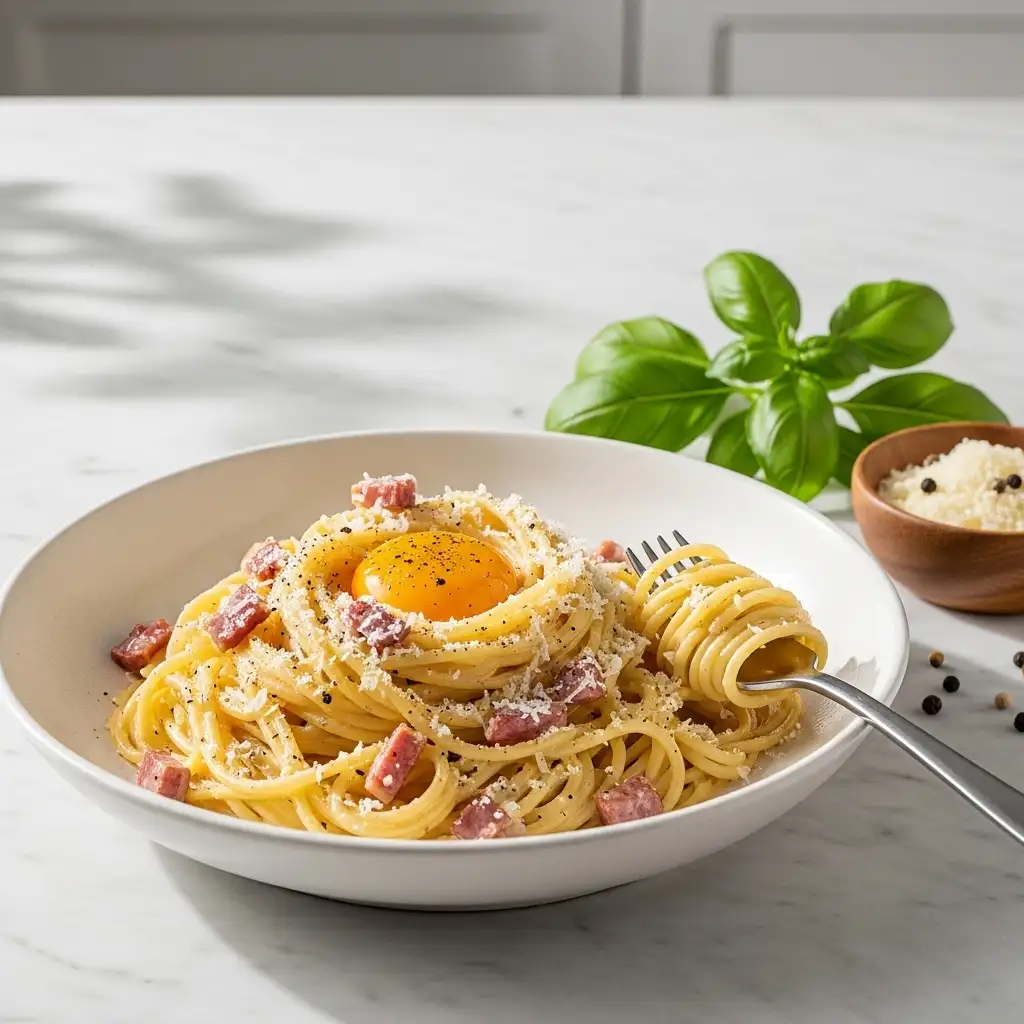
Unlocking the secrets of classic spaghetti carbonara delight begins with understanding its humble Roman origins and the simple yet unusual harmony of ingredients that define this iconic Italian dish. Born from rustic traditions and the ingenuity of Roman cooks, carbonara is a party of bold flavors and creamy textures without relying on cream-just the magic of eggs, cheese, guanciale, and perfectly cooked pasta.
prep and Cook Time
- Preparation Time: 10 minutes
- Cooking Time: 15 minutes
- Total Time: 25 minutes
Yield
Serves 4 generous portions
Difficulty Level
Medium – Best suited for cooks cozy with timing and careful temperature control
Ingredients
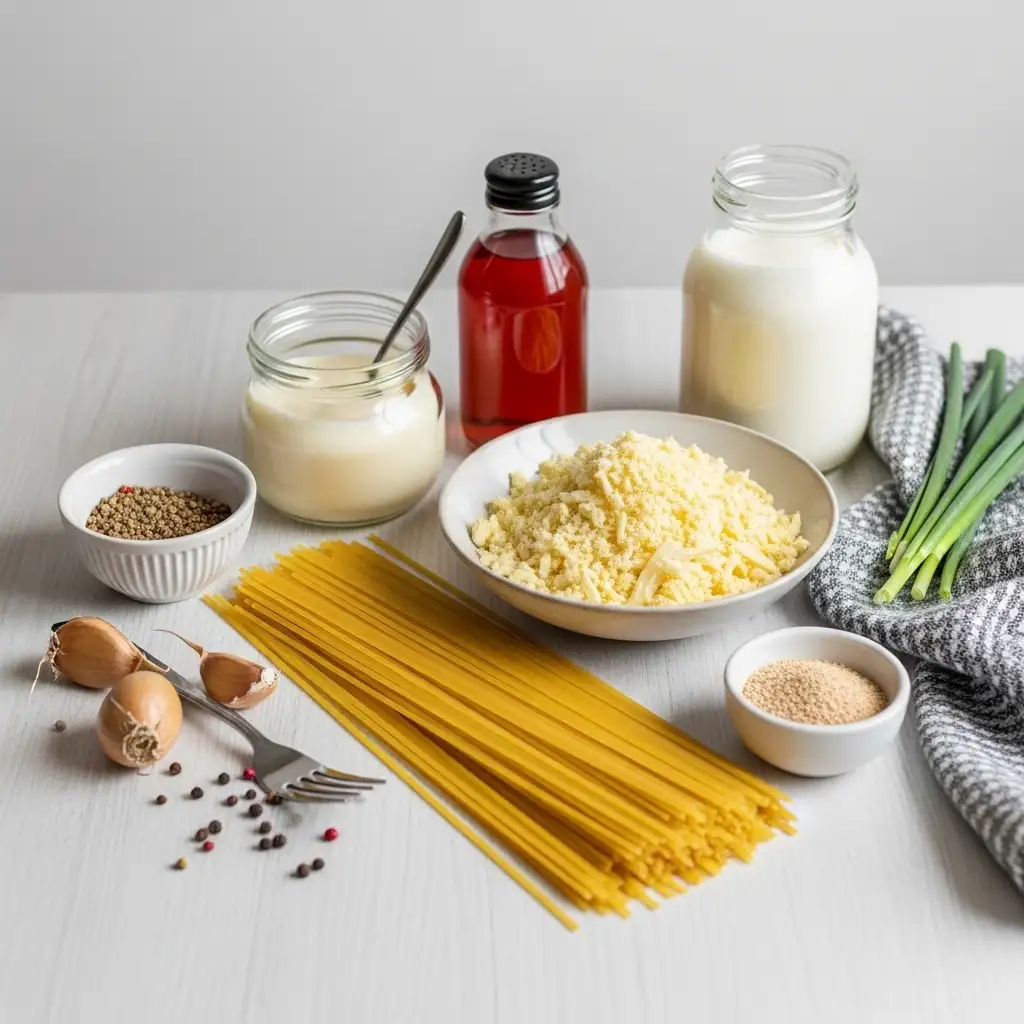
- 400g spaghetti (preferably artisanal or durum wheat for authentic texture)
- 150g guanciale, diced (pork cheek, the soul of authentic carbonara)
- 4 large fresh eggs (use only the yolks for ultra-creamy sauce)
- 100g Pecorino Romano cheese, finely grated
- Freshly ground black pepper, to taste
- Salt, for pasta water
Instructions
- Bring a large pot of salted water to a rolling boil and cook the spaghetti untill al dente, about 8 to 9 minutes, stirring occasionally to prevent sticking.
- While the pasta cooks, prepare the guanciale. In a cold skillet, add the diced guanciale and heat slowly over medium. Sauté until golden brown and crisp, about 5 minutes, stirring occasionally for even cooking. Remove from heat but keep warm.
- In a mixing bowl, whisk together the egg yolks and grated Pecorino Romano until smooth.Add a generous amount of freshly ground black pepper – this adds the signature carbonara bite and aroma.
- Reserve about 1 cup of pasta water before draining spaghetti. This starchy water is essential to emulsify your sauce.
- Drain the pasta quickly and promptly transfer it to the pan with guanciale over low heat. Toss for a minute to coat the strands in the flavorful fat.
- Remove pan from heat and pour the egg-cheese mixture over the pasta, stirring vigorously to create a rich, silky sauce.
- Add reserved pasta water a little at a time, tossing continuously until the sauce clings luxuriously to every strand without scrambling the eggs.
- Adjust seasoning with extra Pecorino and black pepper to taste. Serve hot without delay for the creamiest experience.
Tips for Success
- Use guanciale rather than pancetta or bacon. Its higher fat content and unique flavor are essential for authentic carbonara taste.
- Never add cream. True carbonara’s silky texture comes purely from emulsion of eggs, cheese, and starchy pasta water.
- Work quickly when mixing eggs with hot pasta. Off heat to avoid scrambling but warm enough to cook the sauce gently.
- For a smoother sauce, temper eggs slightly by mixing a splash of warm pasta water before combining fully.
- Choose high-quality Pecorino Romano. It imparts meaningful sharpness and depth.
- Make ahead: Cook guanciale and prepare the egg-cheese mix separately for quicker assembly.
Serving Suggestions
to fully appreciate your carbonara delight,plate immediately on warmed dishes for optimal texture. Garnish with an extra sprinkle of Pecorino Romano and a generous twist of fresh black pepper. Pair with a crisp white wine such as Frascati or Verdicchio, to complement the salty richness of the guanciale and nutrition-dense Pecorino.
A simple side of lightly dressed arugula salad balances the richness, adding a peppery freshness ideal for a classic roman experience.

| Nutrient | Per Serving |
|---|---|
| Calories | 520 kcal |
| Protein | 22g |
| Carbohydrates | 60g |
| fat | 18g |
For further inspiration on authentic Italian pasta dishes, explore our Italian pasta classics collection. To deepen your understanding of Pecorino Romano cheese and its heritage, visit the Pecorino Romano Consortium.
Q&A
Q&A: Unlocking the Secrets of classic Spaghetti Carbonara Delight
Q1: What makes classic spaghetti carbonara so irresistible?
A1: The magic of classic spaghetti carbonara lies in its perfect harmony of simple, quality ingredients – creamy eggs, sharp Pecorino Romano cheese, crispy guanciale, and freshly cracked black pepper – all tossed with al dente pasta.This medley creates a luscious, velvety sauce without a drop of cream, delivering a comforting yet sophisticated flavor profile that’s timeless.
Q2: Is cream realy a customary ingredient in carbonara?
A2: Surprisingly, no! Authentic carbonara relies solely on eggs and cheese to achieve its creamy texture. Adding cream is a modern tweak that strays from tradition.True aficionados savor the silky sauce made by gently combining hot pasta with whisked eggs and cheese,which thickens without scrambling,preserving that iconic richness.
Q3: What type of pasta is best for carbonara?
A3: Spaghetti is the classic choice – its slender, round strands cradle the sauce beautifully. However,some Italians prefer rigatoni or bucatini because their hollow shapes and ridges trap bits of guanciale and sauce,enhancing each bite. Ultimately, the best pasta is one that can hold the velvety egg mixture without letting it slip away.
Q4: Why guanciale rather of pancetta or bacon?
A4: Guanciale,cured pork jowl,boasts a richer,more complex flavor and higher fat content than pancetta or bacon. When crisped, it imparts a delicate smokiness and sumptuous texture that’s key to authentic carbonara. While pancetta or bacon can work in a pinch, true carbonara reveals its essence only with guanciale.
Q5: how do you ensure the eggs don’t scramble when mixing them with hot pasta?
A5: The secret is temperature control and timing. After draining the pasta,let it cool for a moment or toss it off the heat before adding the egg-cheese mixture. The residual heat is enough to gently cook the eggs, creating a silky sauce rather than a scrambled mess. Stir quickly and confidently for the best results.
Q6: Can carbonara be made vegetarian or vegan?
A6: While traditional carbonara centers on pork and eggs, creative adaptations exist. Vegetarians might swap guanciale for smoked mushrooms or sun-dried tomatoes, and use vegetarian cheese. Vegan versions often employ plant-based substitutes like cashew cream or silken tofu and smoky seasonings to mimic depth. Though different, these versions celebrate the spirit of carbonara in new, delightful ways.
Q7: What’s the best way to serve and enjoy carbonara?
A7: Serve carbonara immediately – fresh and steaming – garnished with extra Pecorino Romano and a final crack of black pepper. Pair it with a crisp white wine like Frascati or Pinot Grigio to balance richness. Relish each forkful slowly, appreciating the dance of textures and flavors that make this dish a culinary treasure across generations.
Unlocking the secrets behind spaghetti carbonara transforms a humble pasta into an unforgettable experience-where tradition, technique, and taste unite for pure delight.
Concluding Remarks
As we twirl our forks one last time through the velvety strands of spaghetti carbonara, it becomes clear that this timeless dish is much more than a simple plate of pasta. It is a harmonious dance of humble ingredients-eggs, cheese, cured pork, and pepper-each playing its part to create a melody of flavors that has captivated palates for generations.
Unlocking the secrets behind its creamy texture and perfect balance not only deepens our appreciation for this Italian classic but also invites us to bring a touch of tradition and innovation into our own kitchens. So next time you crave a comforting yet sophisticated meal, remember that the true delight of carbonara lies not just in its taste, but in the story and technique woven into every bite. Buon appetito!
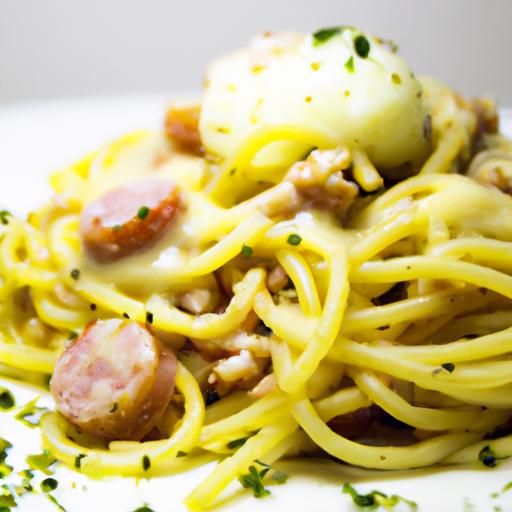
Estimated Nutrition
Total Calories: 300 kcal
AI-based estimation tool – values may vary