

There’s something undeniably magical about teh aroma of warm cinnamon and vanilla wafting through a kitchen in the early morning. Classic French toast-golden, custardy, and lightly crisp-is more than just a breakfast staple; it’s a canvas for comfort, creativity, and culinary mastery. But achieving that perfect balance of texture and flavor at home can sometimes feel elusive.In this article, we’ll unlock the secrets to crafting golden perfection, guiding you step-by-step to transform everyday ingredients into a decadent breakfast experience that rivals your favorite café. Whether you’re a breakfast novice or a seasoned cook, get ready to elevate your mornings wiht classic french toast done just right.
Golden Perfection begins with the foundation-selecting the ideal bread. French toast’s luscious custard soaks deep into the bread’s pores, so choosing the right slice is crucial for that irresistible texture and flavor. Rich, dense breads like brioche, challah, or a rustic sourdough loaf absorb the custard beautifully without falling apart, ensuring each bite is tender yet holds its shape. Avoid thin sandwich breads that become soggy quickly; instead, opt for slices that are at least 3/4-inch thick to achieve that balance between custard-infused softness and a golden crust.
Choosing the Ideal Bread for Irresistible French toast
When scouting for bread,look for options that offer a subtle sweetness and a sturdy crumb. Brioche is the gold standard, with its buttery richness echoing in every bite, while challah provides a slightly eggier aroma that complements the custard. If you prefer a tangier depth, sourdough lends complexity. For gluten-free or whole grain variations, consider dense artisanal loaves that don’t crumble. Ideally, day-old bread or slightly stale slices soak up the custard better, preventing a soggy mess.
Crafting the Perfect Custard Mixture for a Silky Texture
The custard is the heart of this dish, and mastering it means balancing creaminess with structure.Start with large eggs whisked vigorously with whole milk or half-and-half for richness. A splash of heavy cream adds silkiness and a luxurious mouthfeel. Sweeten gently with pure vanilla extract and a touch of cinnamon or nutmeg for warmth. For an elevated flavor, a pinch of fine sea salt brightens the mixture and balances the sweetness. Mixing until smooth but not frothy keeps the custard silky; avoid overbeating to prevent bubbles that create uneven texture during cooking.
Mastering the Art of Cooking Golden French Toast Evenly
Heat a non-stick skillet or griddle over medium heat and add a knob of butter for that golden,nutty aroma. Dip each bread slice into the custard, letting it soak for 20-30 seconds per side-but don’t oversaturate to avoid tearing. Place gently on the skillet and cook undisturbed until the underside is a deep golden brown, about 3-4 minutes. Flip carefully and repeat, adjusting the heat as necessary to avoid burning. Cooking on medium rather than high heat ensures the custard cooks through evenly without charring the exterior. Using an instant-read thermometer, aim for an internal temperature of about 160°F (71°C) for perfect doneness.
Creative Toppings and Serving Suggestions to Elevate Your Dish
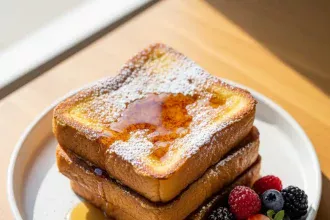
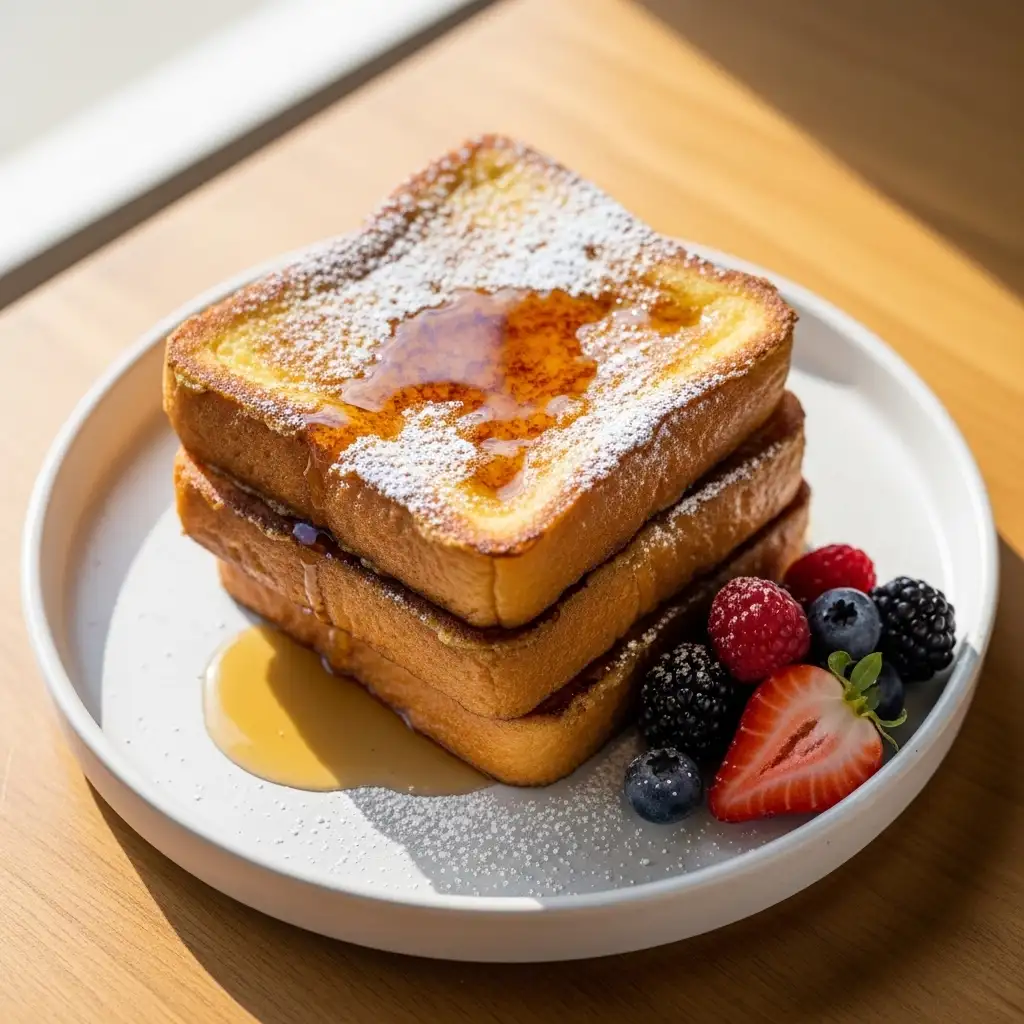
Transform your French toast from classic breakfast to gourmet brunch centerpiece with inspired toppings. Fresh berries, caramelized bananas, or roasted stone fruits add bright, juicy contrast. A dusting of powdered sugar, warm maple syrup, or a drizzle of honey enhances sweetness naturally. For a decadent touch, dollops of whipped cream, mascarpone, or Greek yogurt bring creaminess that balances richness. Toasted nuts like pecans or almonds add crunch and depth. Garnish with fresh mint or edible flowers for vibrant, eye-catching presentation. Serve alongside crisp bacon or a fresh fruit salad for a well-rounded plate that will impress every time.
Prep and Cook Time
- Preparation: 10 minutes
- Cooking: 15 minutes
- Total: 25 minutes
Yield
Serves 4 generous portions (2 slices each)
Difficulty Level
Easy to Medium – Perfect for home cooks seeking golden perfection in their classic French toast.
Ingredients
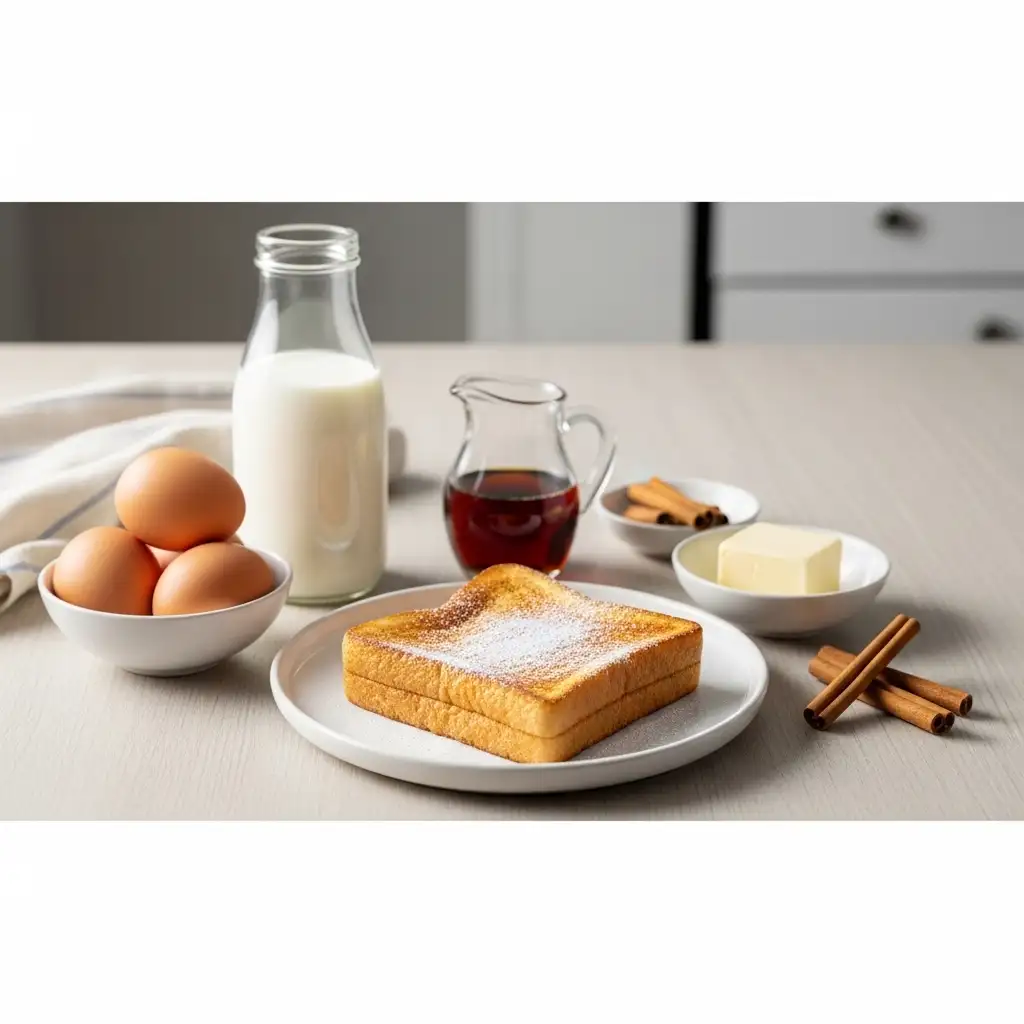
- 8 slices brioche or challah bread, 3/4-inch thick
- 4 large eggs
- 1 cup whole milk
- 1/2 cup heavy cream
- 2 tablespoons pure vanilla extract
- 1 teaspoon ground cinnamon
- 1/4 teaspoon freshly grated nutmeg
- 1 tablespoon granulated sugar
- Pinch of fine sea salt
- 2 tablespoons unsalted butter (for cooking)
- Maple syrup, powdered sugar, and fresh berries (for serving)
Instructions
- Prepare the custard: In a large mixing bowl, whisk together the eggs, whole milk, heavy cream, vanilla extract, cinnamon, nutmeg, sugar, and salt until smooth and fully combined.
- Preheat skillet: Heat a large non-stick skillet or griddle over medium heat. Add 1 tablespoon of butter and melt, swirling to coat the surface evenly.
- Soak bread slices: Dip each slice of bread into the custard mixture,allowing it to soak for about 20-30 seconds per side. Lift and let excess drip off gently to avoid sogginess.
- Cook first side: Place the soaked bread onto the skillet and cook undisturbed for 3-4 minutes or until the bottom turns a deep golden brown.
- Flip and cook second side: Add the remaining butter to the skillet,flip the slices carefully,and cook for an additional 3-4 minutes until golden and cooked through.
- Keep warm: transfer cooked French toast to a warm oven (200°F/95°C) while cooking remaining slices to maintain temperature and texture.
- Serve promptly: Plate with desired toppings such as powdered sugar,fresh berries,and warm maple syrup for that ultimate indulgence.
Tips for Success
- Day-old bread works best because it absorbs custard without falling apart.
- For dairy-free alternatives, substitute coconut milk and vegan butter.
- To make in advance, prepare custard-soaked slices and freeze individually on a baking sheet; reheat in a hot skillet or oven.
- If custard tastes eggy, add a splash more milk or a teaspoon of sugar to balance flavors.
- Maintain medium heat throughout cooking to prevent burnt edges and undercooked centers.
serving Suggestions
Enhance your presentation with a vibrant array of toppings. Fresh raspberries, sliced bananas, or caramelized peaches offer juicy bursts.Complement with a dollop of whipped cream or tangy Greek yogurt to cut richness.A sprinkle of toasted walnuts or pistachios provides delightful crunch and color contrast. Serve alongside crispy bacon, or balance flavors with a bright citrus fruit salad for a memorable brunch experience.
| Nutritional data (per serving) | calories | Protein | Carbs | Fat |
|---|---|---|---|---|
| Classic French Toast with Butter and Maple Syrup | 350 kcal | 12 g | 38 g | 15 g |

For more tips on breakfast classics, check our Perfect pancakes Recipe.To understand the science behind custards and eggs, visit Serious Eats’ Science of Custards.
Q&A
Q&A: Golden Perfection - Mastering classic French Toast at Home
Q1: What makes classic French toast truly “golden” in both color and flavor?
A1: The magic lies in the perfect balance of ingredients and cooking technique. Rich eggs blended with creamy milk create a custardy base that soaks into slightly stale, thick-cut bread. When cooked over medium heat with a touch of butter, the exterior crisps up to a sun-kissed golden hue while the inside remains soft and luscious. The Maillard reaction-the chemical caramelization-gives you that irresistible flavor and inviting color.
Q2: Why is choosing the right bread critically important for French toast?
A2: Bread is the canvas for your golden masterpiece. Stale or day-old bread is ideal because it absorbs the egg mixture without falling apart. Thick slices of brioche, challah, or Texas toast work beautifully-they have a sturdy yet tender crumb that soaks up custard and crisps up perfectly. Avoid thin slices or overly fresh bread, which can become mushy.
Q3: How can I avoid soggy French toast?
A3: To achieve a crisp exterior with a tender inside, don’t skimp on soaking time-immerse your bread slices long enough for custard to seep through-but also remember to drain excess liquid before cooking. cook on medium heat so the toast has time to brown evenly without burning, and ensure your pan is hot enough and well-buttered. A skillet with good heat retention like cast iron is your best friend.
Q4: Are there any secret ingredients to elevate classic French toast?
A4: Absolutely! A dash of vanilla extract, a pinch of cinnamon, or even a splash of orange zest in your custard mix elevates flavor subtly but memorably. Some home chefs swear by a teaspoon of brown sugar or a splash of liqueur like Grand Marnier for an adult twist. The key is to complement, not overpower, the natural sweetness and creaminess.
Q5: What toppings pair best with classic French toast?
A5: Classic French toast shines brightest with simple, fresh toppings. A dusting of powdered sugar, a pat of butter, and real maple syrup are timeless. Fresh berries, banana slices, or a dollop of whipped cream add freshness and texture contrasts.For a savory edge,try bacon or a smear of nut butter. Remember, the goal is to enhance-not mask-the golden perfection beneath.
Q6: Can I make French toast ahead of time?
A6: You can! Pre-soak the bread and cook the French toast, then keep it warm in a low oven (around 200°F/93°C). If prepping earlier in the day, store cooked toast in an airtight container and gently reheat in a skillet or oven to regain crispness. avoid microwaving, which tends to make it soggy.
Q7: How can I make French toast healthier without sacrificing taste?
A7: Swap whole milk for almond or oat milk, and use whole-grain or sprouted bread for added nutrition. Use less butter or try cooking spray in your pan. Incorporate natural sweeteners like honey or maple syrup sparingly, and top with fiber-rich fruits. With the right balance, you can enjoy your golden treat guilt-free.
Q8: Is French toast difficult to master at home?
A8: Not at all! With a bit of patience and a few insider tips-like choosing sturdy bread, perfecting your custard mix, and controlling your pan’s heat-you can whip up restaurant-quality French toast in your own kitchen. Like any classic recipe,it’s all about practice and paying attention to the little details that create that perfect golden crust and tender center.
Golden perfection is within your reach-one rich, buttery bite at a time.
To conclude
As the final slice of golden perfection disappears from your plate,you’ll realize that mastering classic French toast at home is more than just a breakfast triumph-it’s a festivity of timeless technique,rich flavors,and simple ingredients elevated to something extraordinary. With every custardy bite and crisp, caramelized edge, you’re not just making a meal; you’re creating a moment worthy of a Parisian café. So next time you reach for the bread and eggs, remember: the art of French toast is within your reach, ready to transform your mornings into a flavorful ritual of golden perfection. Bon appétit!
Estimated Nutrition
Total Calories: 1661 kcal
AI-based estimation tool – values may vary