
There’s something undeniably enchanting about golden mornings-those peaceful hours when sunlight filters softly through the kitchen window, casting a warm glow on the simple pleasures of the day. Among these pleasures, classic French toast stands out as a timeless ritual, a humble yet elegant dish that has captivated breakfast tables across centuries and continents. More than just a recipe, French toast is a culinary story steeped in history, technique, and the comforting alchemy of transforming stale bread into a crisp, custardy delight.
In this article, we embark on a flavorful journey into the art of making classic French toast, uncovering its origins, exploring its variations, and celebrating why it remains a beloved morning tradition that turns everyday moments into golden memories.
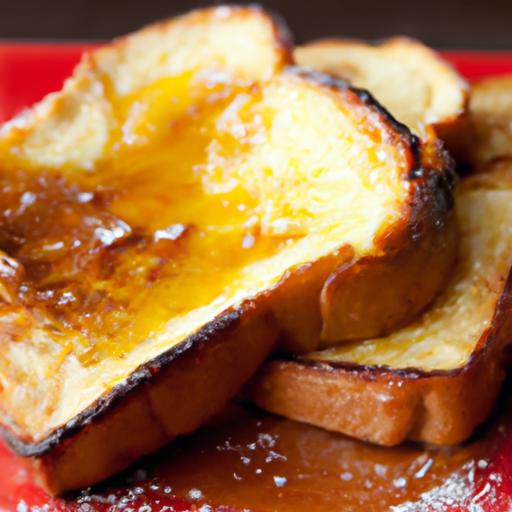
Golden Mornings often begin with the warm, comforting aroma of French toast sizzling on the griddle-a dish whose roots trace back to ancient times when resourceful cooks transformed stale bread into a luscious breakfast treasure. From Roman recipes calling it “pan Dulcis” to its reinvention in medieval Europe as “pain perdu,” French toast has evolved into a beloved classic that welcomes endless creativity while retaining its timeless charm. What makes French toast truly special is its ability to balance crisp texture with a tender,custardy center,delivering a sensory experience that’s as delightful to prepare as it is to enjoy.
Prep and Cook Time
- Preparation Time: 10 minutes
- Cooking time: 15 minutes
- Total Time: 25 minutes
Yield
- Serves 4 generous portions
Difficulty Level
- Easy to medium
Ingredients
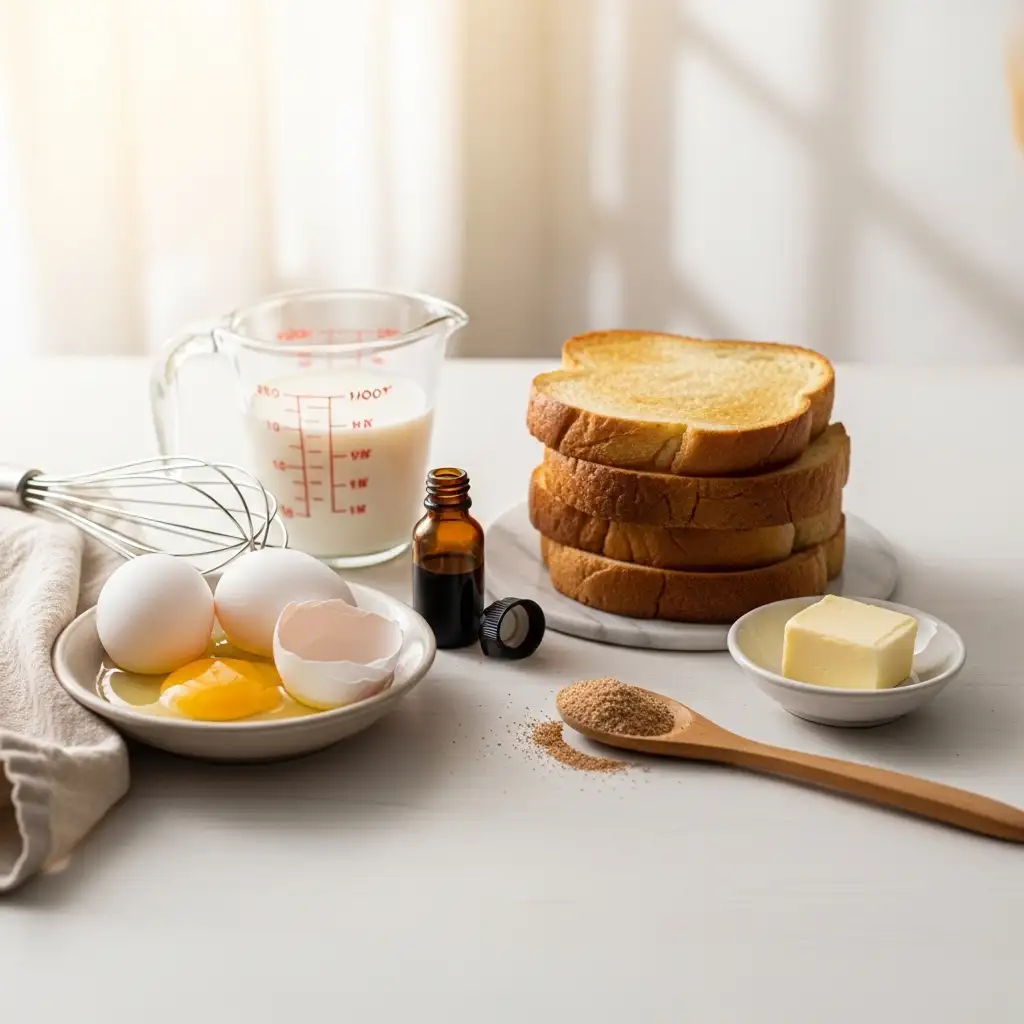
- 6 large eggs, preferably free-range
- 1 cup whole milk or half-and-half for a richer batter
- 2 tbsp granulated sugar
- 1 tsp pure vanilla extract
- ½ tsp ground cinnamon (optional but highly recommended)
- Pinch of fine sea salt
- 8 slices of day-old brioche or challah bread
- 2 tbsp unsalted butter for frying
Instructions
- Prepare the batter: In a wide, shallow bowl, whisk together the eggs, milk, sugar, vanilla extract, cinnamon, and salt until fully combined and slightly frothy. This mixture should coat the bread evenly without dripping excessively.
- Soak the bread: Dip each slice of bread into the batter, allowing it to soak for about 15-20 seconds per side. Longer soaking works beautifully for thicker, denser breads like brioche, ensuring a custardy interior.
- Heat your skillet: Place a large non-stick skillet or cast-iron pan over medium heat. Melt 1 tablespoon of butter until foamy before adding the bread slices.
- Cook until golden: Fry the soaked bread slices in batches, 3-4 minutes per side, or until each side turns a deep, luxurious golden brown. Adjust the heat as needed to prevent burning and to ensure even cooking.
- keep warm: Transfer cooked slices to a warm oven set at 200°F (90°C) while finishing the rest to maintain crispness and warmth.
Tips for Success
- Use day-old bread to prevent sogginess; fresh bread will absorb too much batter and become floppy.
- For extra richness,swap whole milk for heavy cream or combine half milk and half cream.
- Add a dash of orange zest or nutmeg to the batter for subtle aromatic layers.
- If your skillet is too hot,the crust will burn before the center cooks; maintain medium heat for the perfect balance.
- Make this ahead by soaking bread and refrigerating for up to 2 hours; just pat dry gently before frying to avoid excess moisture.
Serving suggestions
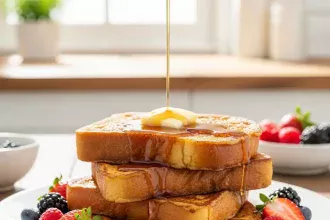
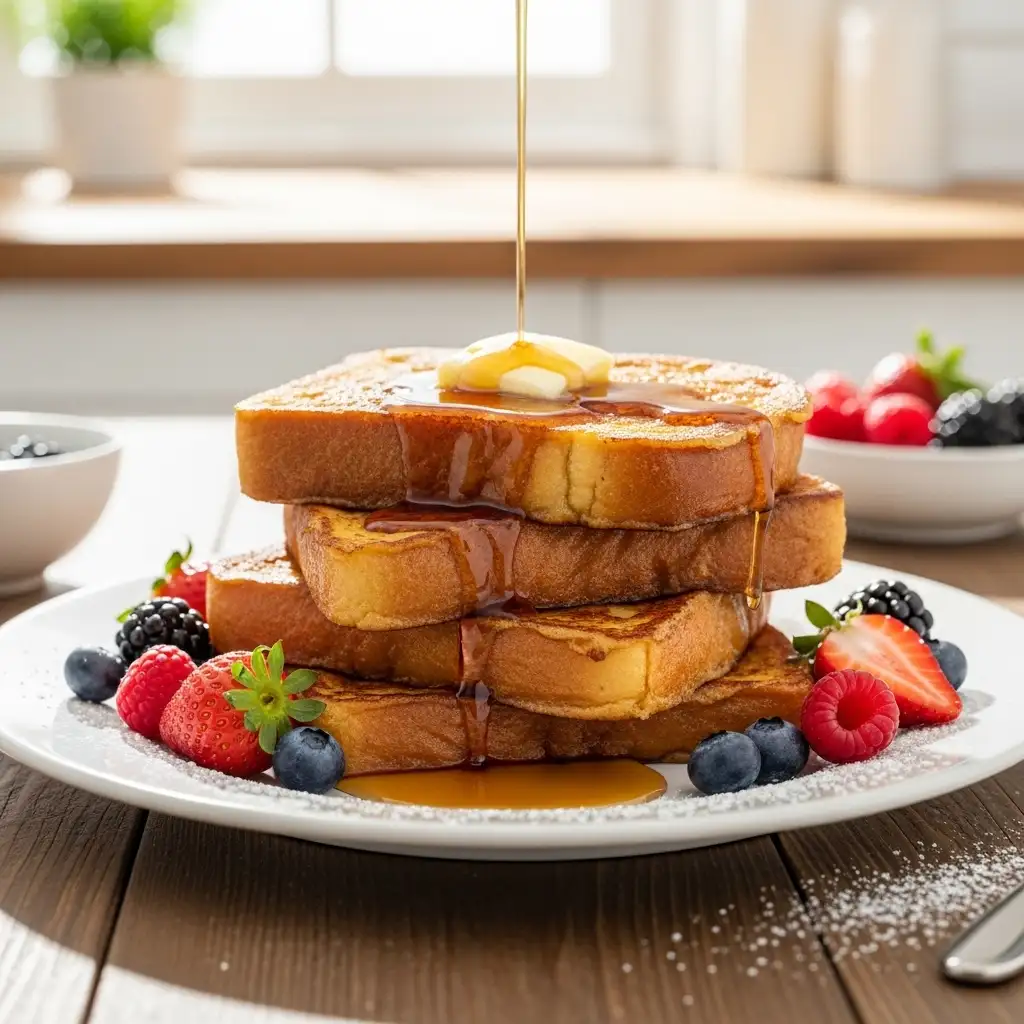
Present your French toast stacked high on a warm plate.Crown with a scattering of fresh berries like raspberries and blueberries for bursts of colour and tartness. Drizzle with pure maple syrup or a velvety homemade caramel sauce for shine and sweetness. A dusting of powdered sugar adds delicate visual appeal. for a decadent twist, spoon on whipped cream or nut butter, and garnish with thinly sliced almonds or toasted pecans to introduce crunch and depth.

Choosing the Perfect Bread for Luxurious Golden Mornings
the secret to an elevated French toast lies in selecting the bread. Hearty, thick-sliced brioche and challah offer a buttery crumb that soaks the batter beautifully without falling apart. Sourdough adds subtle tang and a crisp crust, while cinnamon swirl or raisin breads infuse natural sweetness and spice, enhancing every bite.
| Nutrient | Per Serving (2 slices) |
|---|---|
| Calories | 320 kcal |
| Protein | 12 g |
| Carbohydrates | 28 g |
| Fat | 18 g |
Explore More
Discover how to make homemade maple syrup to perfectly accompany your French toast or dive into our guide on the fascinating history of French toast to further appreciate this culinary classic.
Q&A
Q&A: Golden Mornings - The Timeless Art of Classic French Toast
Q1: What makes French toast a timeless breakfast favorite?
A1: French toast embodies comfort and simplicity, transforming humble bread into a golden, custardy delight. Its allure lies in the effortless blend of crispy edges and tender centers, evoking warm mornings and shared memories across generations and cultures.
Q2: Where did french toast originate?
A2: Though we call it “French” toast, this dish graces tables worldwide under many names – from the Roman aliter dulcia to the medieval pain perdu in France, meaning “lost bread.” Essentially, it’s a clever, appetizing solution to rescuing stale bread, turning leftovers into something extraordinary.
Q3: What are the key ingredients for classic French toast?
A3: The magic trio is simple: eggs, milk (or cream), and a splash of vanilla or cinnamon for warmth. Sturdy bread - think brioche or challah – is essential to soak the custard without collapsing, creating that coveted balance of creamy inside and crisp outside.
Q4: How can you perfect the texture?
A4: patience and technique. Soak the bread just long enough to absorb the egg mixture without becoming soggy. Cook on medium heat to allow the custard to set inside while achieving a golden, caramelized crust. Avoid rushing - the best French toast is a slow, golden dance.
Q5: Are there traditional toppings that enhance classic French toast?
A5: To honor tradition while delighting the palate, a dusting of powdered sugar and a drizzle of pure maple syrup suffice. fresh berries, a pat of butter, or a sprinkle of cinnamon can elevate the experience without overshadowing that beloved custardy flavor.
Q6: Can French toast be customized while maintaining its classic charm?
A6: Absolutely! While classic French toast is a celebration of simplicity, you can infuse it with personality by adding spices like nutmeg or cardamom, swapping in almond milk, or incorporating zests of citrus. But even with creativity, the core remains a golden, custard-soaked slice of bliss.
Q7: Why is making French toast considered an art?
A7: Because it transforms basic ingredients into a sensory experience that invites patience, attention, and care. Each step – from selecting the bread to mastering the pan’s warmth - builds the layers of texture and flavor. It’s a breakfast ritual that rewards both maker and eater with golden mornings that linger in memory.
In Conclusion
As the last crumbs of golden French toast disappear from your plate, you’re left with more than just a satisfied appetite-you carry forward a tradition steeped in warmth, comfort, and a dash of culinary artistry. “Golden Mornings” isn’t just about a meal; it’s a celebration of timeless simplicity that transforms ordinary ingredients into a breakfast masterpiece. Whether dusted with powdered sugar, crowned with fresh berries, or drizzled with maple syrup, classic French toast invites you to slow down, savor the moment, and honor a breakfast ritual that has enchanted palates for centuries.
So next time the morning light spills through your kitchen window,embrace the art of classic French toast and turn an everyday start into something truly golden.
Estimated Nutrition
Total Calories: 114 kcal
AI-based estimation tool – values may vary