


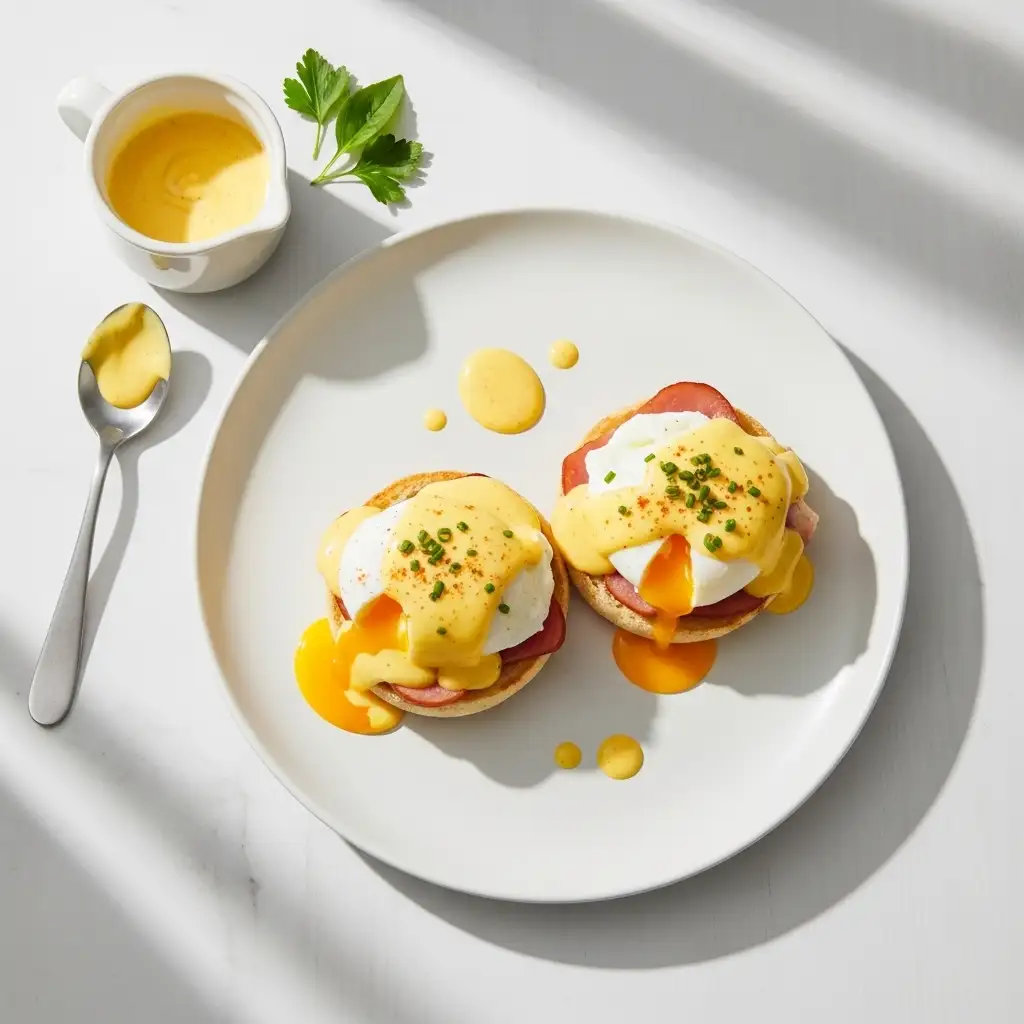
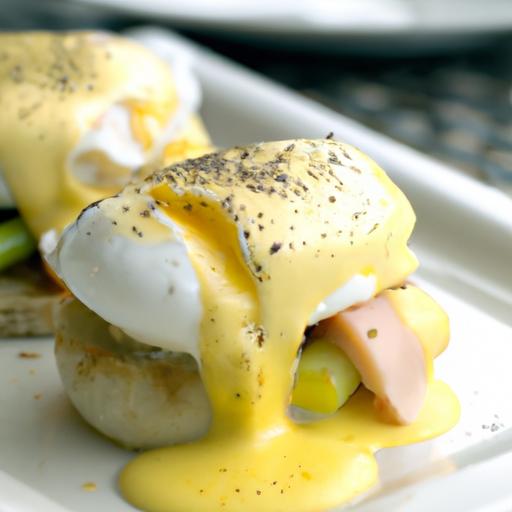
There’s something undeniably magical about the moment a knife pierces the velvety poached egg atop a perfectly toasted English muffin, releasing a golden river of yolk that mingles with silky, tangy hollandaise sauce. Eggs Benedict isn’t just breakfast-its a culinary celebration of textures and flavors harmonizing in every bite. Yet, while the dish may seem like a restaurant-only indulgence, mastering the art of the perfect Eggs Benedict is well within reach.
The secret? A simple, foolproof hollandaise sauce that you can whip up effortlessly at home.In this guide, we’ll uncover the step-by-step process to create that luscious, buttery sauce and assemble Eggs Benedict that will impress both yoru palate and your guests. Say goodbye to takeout-your brunch game is about to be elevated to elegant new heights.
Perfect Eggs Benedict: Master Easy Hollandaise Sauce Today is a culinary delight that combines silky, buttery sauce with perfectly poached eggs and toasted English muffins for an unforgettable brunch experience. Originating from 19th-century New York, this dish carries a romantic legend and a timeless appeal that continues to inspire home cooks and chefs alike. Whether you’re preparing a cozy breakfast for loved ones or aiming to impress guests,mastering these essential techniques will elevate your Eggs Benedict to restaurant-quality heights.
Prep and Cook Time
- Planning: 15 minutes
- cooking: 20 minutes
- Total time: 35 minutes
Yield
- Serves 4 generously
Difficulty Level
- Medium – approachable with attentive technique
Ingredients
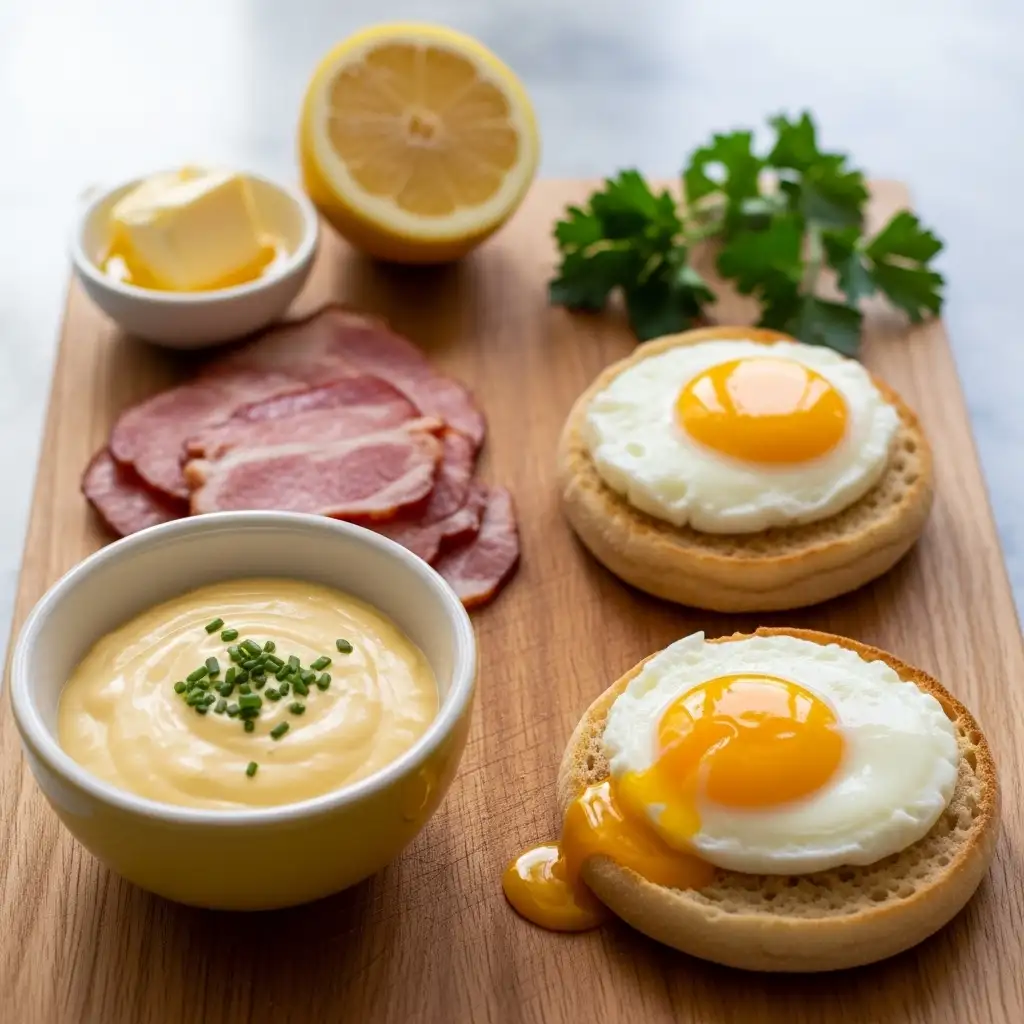
- 3 large egg yolks, at room temperature
- 1 tablespoon fresh lemon juice (about half a lemon)
- 1/2 cup unsalted butter (1 stick), melted and kept warm
- 1 teaspoon Dijon mustard
- Pinch of cayenne pepper (optional for subtle heat)
- Salt, to taste
- 4 large fresh eggs for poaching
- 2 English muffins, split and toasted
- fresh chives or parsley, finely chopped, for garnish
- White vinegar, 1 tablespoon (for poaching water)
Instructions
- Begin with selecting the freshest eggs. Fresh eggs hold their shape best during poaching to achieve a snug,runny yolk center. Separate 3 egg yolks carefully, placing them in a heatproof bowl.
- Whisk the egg yolks vigorously with fresh lemon juice and Dijon mustard until the mixture lightens and thickens slightly. This acidity balances the butter’s richness and helps with emulsification.
- Set up a double boiler by placing the bowl over simmering water. Keep the water at a low simmer – do not let it boil vigorously to avoid cooking the yolks too quickly.
- Slowly drizzle the melted butter into the yolks while whisking constantly.This gradual introduction of fat into the yolks is crucial for a smooth, creamy hollandaise sauce. Continue whisking until the sauce thickens and doubles in volume.
- Remove from heat and season the hollandaise with salt and a pinch of cayenne pepper. Keep warm but do not reheat directly or it may separate.
- For the perfect poached eggs, bring a medium saucepan of water to just under a boil, adding 1 tablespoon white vinegar to help coagulate the egg whites swiftly.Swirl the water gently to create a vortex,than carefully drop an egg into the center.
- Cook for exactly 3 minutes for runny yolks, or 3.5 minutes for slightly firmer, then remove with a slotted spoon and let drain on paper towels.
- Toast and butter English muffins while eggs are poaching.
- Assemble by layering the toasted muffin halves with a slice of Canadian bacon or smoked salmon if desired, topping each with a poached egg, then spooning over a generous amount of hollandaise.
- Garnish with finely chopped fresh herbs and serve instantly for the best texture and flavor.
Chef’s Notes & Tips for Success
- temperature control is key: Keep melted butter warm but not hot to prevent breaking the sauce. use gentle heat for emulsification, whisking continuously.
- Fixing broken sauce: if your hollandaise breaks, whisk in a teaspoon of warm water or a fresh egg yolk off heat to bring it back together.
- Make-ahead: hollandaise is best served fresh but can be kept warm in a thermos or double boiler for up to 30 minutes. Avoid refrigeration as the sauce will thicken and seize.
- Vinegar alternatives: White wine vinegar or lemon juice also work when poaching eggs but avoid flavored vinegars.
- Emulsifying method: For a modern twist, blend egg yolks and melted butter slowly in a food processor for a foolproof, silky hollandaise.
Creative Variations to Elevate Your Classic Eggs Benedict Experience
- Florentine: Replace Canadian bacon with sautéed spinach and add a pinch of nutmeg to the hollandaise.
- Smoked Salmon: Layer smoked salmon or gravlax for a luxurious seafood twist.
- Avocado & Chipotle: Incorporate mashed avocado or chipotle puree in the hollandaise for depth and heat.
- Crab Cakes Benedict: Substitute the muffin base with crispy crab cakes for a coastal-inspired indulgence.
- Herbed Hollandaise: Fold in finely chopped tarragon or dill to add fresh herbal notes to the sauce.
Serving Suggestions
present your Eggs Benedict on a warm plate, garnished with bright green chives or parsley to add a fresh contrast to the rich hollandaise. Pair with lightly dressed mixed greens or roasted asparagus for a balanced brunch plate. A side of crispy breakfast potatoes or fruit salad complements the creamy texture beautifully, while a glass of sparkling wine or freshly brewed coffee rounds out the experience.

| Nutrient | Amount per Serving |
|---|---|
| Calories | 420 kcal |
| Protein | 22 g |
| Carbohydrates | 28 g |
| Fat | 28 g |
For more brunch inspiration, check out our Comprehensive Guide to Perfect Poached Eggs. To understand the science behind emulsification, the Serious Eats’ exploration of Hollandaise offers a trustworthy deep dive.
Q&A
Q&A: Perfect Eggs Benedict – Master Easy Hollandaise Sauce Today
Q1: What makes Eggs Benedict the ultimate brunch classic?
A1: Eggs Benedict is a harmonious trio of flavors and textures-the crisp English muffin, savory Canadian bacon, perfectly poached eggs with golden runny yolks, all generously draped in velvety Hollandaise sauce. It’s a dish that feels indulgent and elegant yet surprisingly approachable, making every brunch moment feel like a celebration.
Q2: Why is Hollandaise sauce considered the crown jewel of Eggs Benedict?
A2: Hollandaise isn’t just a sauce; it’s the luscious silk that ties the dish together. Made from simple ingredients-egg yolks, butter, lemon juice, and a pinch of salt-its rich, buttery tang is the perfect contrast to the salty bacon and creamy eggs. Mastering Hollandaise elevates your Eggs Benedict from good to sublime.
Q3: Isn’t Hollandaise sauce hard to make?
A3: It has a reputation for being tricky, but with the right technique, it’s easier than you think! The key is gentle heat and constant whisking to create a smooth, creamy sauce without scrambling the eggs. Using a double boiler or a heatproof bowl over simmering water lets you control the temperature perfectly.
Q4: What’s the easiest way to make Hollandaise at home?
A4: Start by whisking egg yolks and lemon juice vigorously in a bowl over simmering water. Slowly drizzle in melted warm butter while continually whisking.A pinch of salt and white pepper finishes it off. If you’re new to it, try using a blender method-blend yolks and lemon juice, then slowly add melted butter for an effortless, foolproof sauce.
Q5: Can I customize my Hollandaise sauce?
A5: Absolutely! Once you’ve mastered the classic, experiment by adding a dash of smoked paprika for warmth, a touch of cayenne for heat, or fresh herbs like tarragon or chives for a bright twist. These little tweaks personalize your Eggs Benedict to suit your taste buds.
Q6: what’s the secret to perfect poached eggs for Eggs Benedict?
A6: Freshness is your best friend-fresh eggs hold their shape better.Use a wide pot of gently simmering water with a splash of vinegar (which helps the whites coagulate). Create a gentle whirlpool in the water, then slip in the egg, poaching 3-4 minutes for a silky, runny yolk that’s just right.
Q7: any tips for assembling the perfect Eggs Benedict?
A7: Toast your English muffins until golden and crisp. Layer Canadian bacon or ham on each half, top with a perfectly poached egg, and lavishly spoon over your homemade Hollandaise. Serve immediately to experience that delightful contrast of textures and flavors at their peak.
Q8: How should I store leftover Hollandaise sauce?
A8: Hollandaise is best enjoyed fresh, but you can store leftovers in a warm thermos for a short time. If storing in the fridge, cool quickly and reheat very gently over warm water while whisking to reincorporate the sauce-avoid direct heat or microwave, which can cause it to break.
Q9: Can I make Eggs Benedict without Canadian bacon?
A9: Of course! Swap in smoked salmon for a luxurious Eggs Royale, sautéed spinach for a healthy Eggs Florentine, or even avocado slices for a creamy vegetarian twist. The essence of Eggs Benedict is its balance and the luscious Hollandaise-feel free to get creative!
Q10: Why should I try making Eggs Benedict (and Hollandaise) today?
A10: Because mastering Eggs Benedict is not just about food-it’s about crafting an experience. It’s a dish that wow’s guests, boosts your culinary confidence, and makes any morning feel special. With easy Hollandaise sauce under your belt, you open the door to a world of elegant, delicious breakfasts waiting to happen. Dive in and impress yourself!
To Conclude
As you’ve discovered, mastering the art of the perfect Eggs Benedict-and its luscious, velvety Hollandaise sauce-is less about culinary wizardry and more about a few simple, precise steps. With this newfound confidence in your technique, your breakfast or brunch gatherings will no longer be ordinary but elegantly elevated. So next time you crack those eggs, remember: the secret to brunch brilliance is just a gentle whisk and a splash of patience away. Happy cooking, and here’s to countless mornings of buttery, tangy perfection!
Estimated Nutrition
Total Calories: 210 kcal
AI-based estimation tool – values may vary